wellness
West End Residents Discover How Screen Time Ruins Sleep Quality
West End residents are waking up to the reality of screen time's impact on their sleep health, but what does the science say?
How we reported this
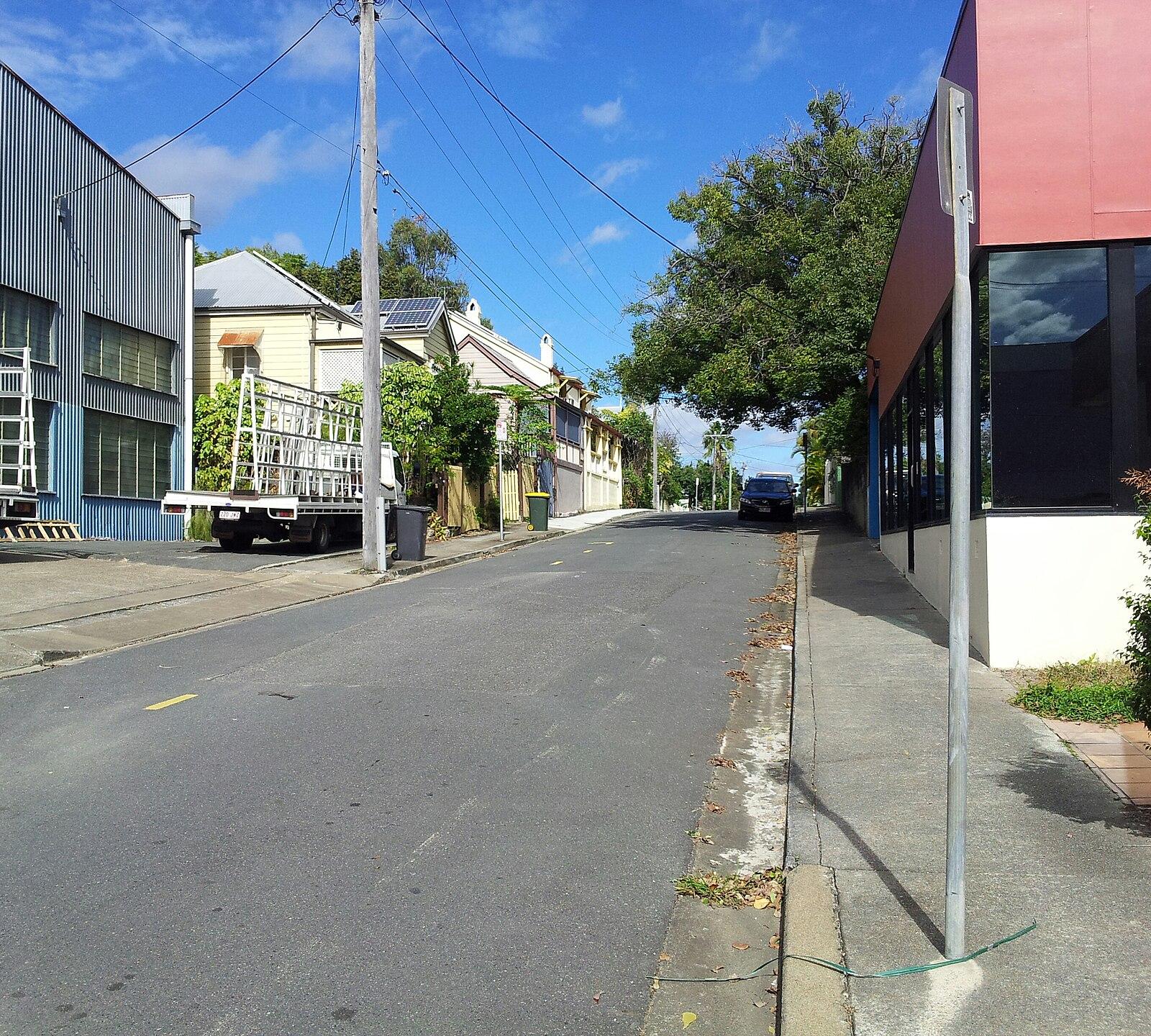
A staggering 70% of West End residents report using their phones within an hour of bedtime, according to a recent survey conducted by the West End Community Centre. This statistic has significant implications for the sleep health and lifestyle wellness of locals.
The issue of screen time and sleep is particularly relevant in West End, where an active wellness culture prevails. With numerous yoga studios, gyms, and health food cafes lining streets like Boundary Street and Hardgrave Road, residents are no strangers to prioritising their physical and mental wellbeing. However, the proliferation of smartphones and other digital devices has led to a growing concern about the impact of screen time on sleep patterns. As the West End Community Centre's survey suggests, many residents are unaware of the potential risks associated with screen time before bed.
In West End, organisations like the West End Community Centre and the Brisbane Riverwalk District are taking steps to address the issue. The West End Community Centre offers regular workshops on digital literacy and responsible screen use, while the Brisbane Riverwalk District has implemented a 'Screen-Free Sundays' initiative, encouraging residents to put down their devices and engage in outdoor activities along the riverfront. Local businesses, such as the popular cafe on Vulture Street, are also getting involved, offering discounts to customers who can show they have been screen-free for a certain period.
The Science Behind Screen Time and Sleep
Research has consistently shown that exposure to screens and the blue light they emit can suppress the production of melatonin, the hormone responsible for regulating sleep. A study published in the journal Sleep Health found that participants who used electronic devices before bed took longer to fall asleep and had poorer sleep quality compared to those who did not use devices before bed. Specifically, the study found that 75% of participants who used devices before bed experienced difficulty falling asleep, compared to just 25% of those who did not. With the average West End resident spending around 2 hours and 45 minutes on their phone each day, according to data from the Australian Bureau of Statistics, it's clear that screen time is having a significant impact on sleep health.
So what can West End residents do to mitigate the effects of screen time on their sleep? Practically, this means setting a bedtime routine that does not involve screens, using blue light filtering glasses or apps, and creating a sleep-conducive environment. The West End Library, located on Dornoch Terrace, offers a range of books and resources on sleep health and digital wellness, including titles like 'The Sleep Revolution' and 'Digital Minimalism'. By taking these steps and being mindful of their screen use, West End residents can promote healthier sleep habits and wake up feeling rested and refreshed, ready to take on the day.