wellness
Drink Up, Teneriffe: What the Local Climate Is Actually Doing to Your Body
With Brisbane's inner-north suburb running warmer and wetter than many Queenslanders realise, getting hydration right is more complicated than simply carrying a water bottle.
How we reported this
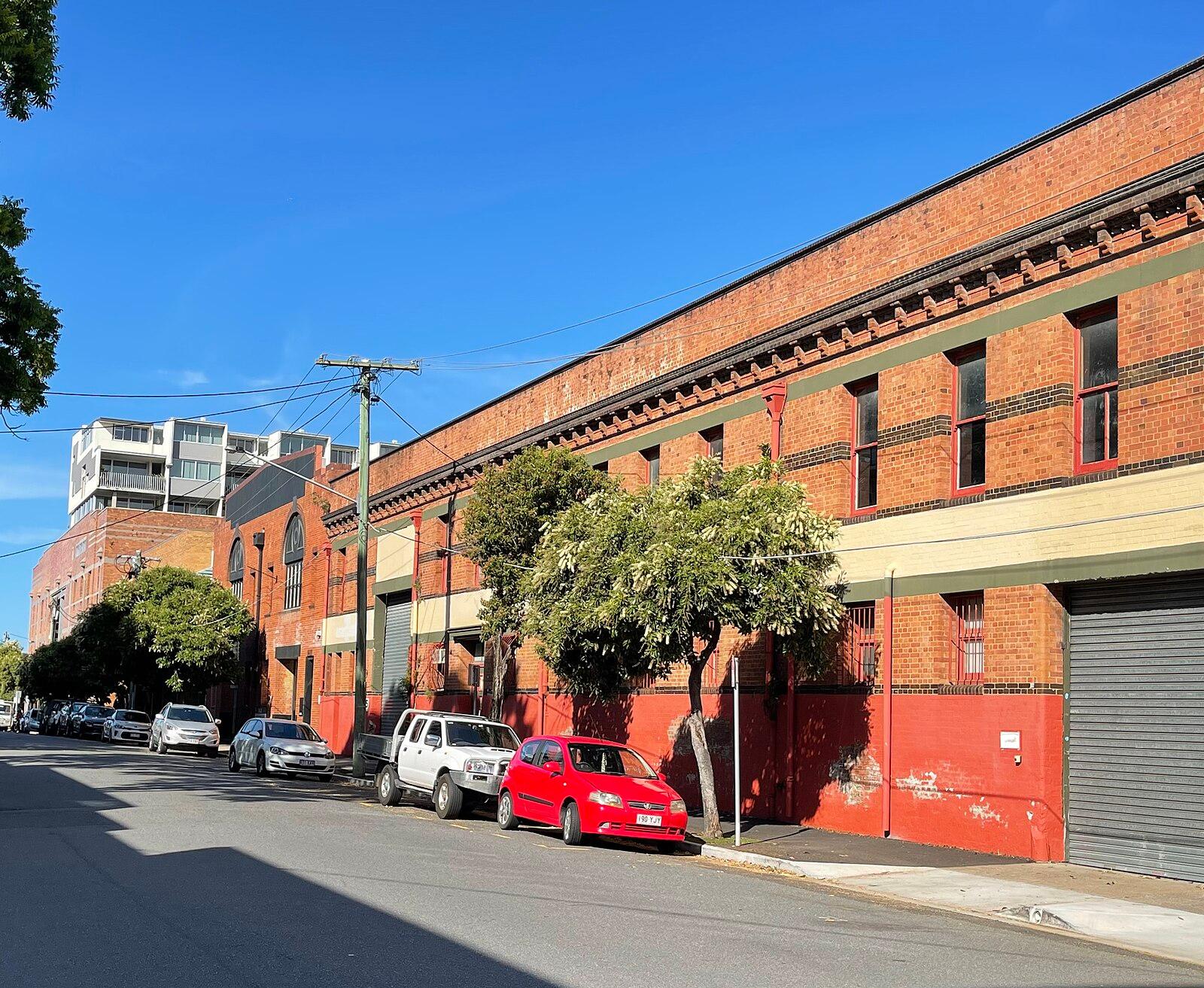
The heat index at Teneriffe's riverfront this week has been sitting above 30 degrees Celsius before 9 a.m. That is not unusual for early July in this microclimate, where the Brisbane River loop, the dense warehouse conversions along Vernon Street, and the suburb's low tree canopy conspire to trap radiant heat long after sunrise. What is unusual is how few of the cyclists and dog-walkers threading through Teneriffe Park and along the Riverwalk are carrying anything to drink.
Winter in Teneriffe is deceptive. The air feels cooler than summer, humidity drops just enough to make sweat evaporate quickly, and the body's thirst signals lag behind actual fluid loss. That combination means people underestimate how much they are losing on a standard Wednesday morning walk along the Newstead to Teneriffe stretch of the Riverwalk precinct. Dietitians and sports medicine practitioners consistently flag this as a year-round issue in subtropical urban corridors, not a summer-only problem.
What the Research Actually Says About Fluid Needs
The National Health and Medical Research Council's 2006 dietary reference values, still the benchmark used in clinical practice across Queensland, set adequate daily water intake at 2.6 litres for adult men and 2.1 litres for adult women, including fluid from food. Those figures assume a temperate baseline. Add outdoor exercise, a riverside humidity bounce, or a long lunch on the exposed deck at one of the Macquarie Street café strips, and requirements climb fast. Exercise physiologists generally add between 500 ml and 1 litre per hour of moderate outdoor activity in subtropical conditions on top of baseline needs.
Plain water handles most of that load. But if you are exercising for more than 60 minutes, or spending a full afternoon at the Teneriffe Festival markets or on the bike path, electrolytes matter too. Sodium, potassium and magnesium are lost in sweat, and replacing fluid without replacing electrolytes can produce hyponatraemia, low blood sodium, which presents as fatigue, headache and nausea, symptoms easily mistaken for heat exhaustion. A small pinch of quality sea salt in a litre of water, or foods like watermelon and cucumber eaten throughout the day, are low-cost interventions that nutrition practitioners frequently recommend to active clients in the inner-north.
Local Options Worth Knowing
Teneriffe has more accessible hydration infrastructure than its compact size suggests. The Brisbane City Council drinking fountains at Teneriffe Park, positioned near the main oval, were upgraded in 2023 and include a filtered water tap and dog bowl, two details that actually matter when you are midway through a 45-minute circuit. The Gasworks Plaza precinct on Breakfast Creek Road, a short ride north, has a cluster of health-focused retailers including a bulk wholefood store where electrolyte powder sachets run between $1.20 and $2.50 each, significantly cheaper per serve than the branded sports drinks stocked at most service stations.
Closer to home, the small Saturday markets that set up along Florence Street have in recent months seen a noticeable uptick in cold-pressed juice and coconut water vendors, a response to customer demand that tells its own story about local awareness. Coconut water carries roughly 600 mg of potassium per 250 ml serve, making it a genuinely useful electrolyte source rather than just a lifestyle accessory, provided you choose unsweetened varieties with no added sodium.
Coffee, despite its cultural centrality in a suburb where specialty roasters occupy at least three separate tenancies between the Norman Street junction and the river, is a mild diuretic. Two flat whites before 10 a.m. will not dehydrate a healthy adult in any dramatic sense, but they should not count toward your fluid target. Tea, particularly green or herbal varieties, is a more neutral option and hydrates more efficiently than coffee at the same volume.
The practical floor here is straightforward: carry a 750 ml bottle, refill it twice before noon if you are active outdoors, and eat water-dense foods like cucumber, citrus and stone fruit rather than relying on drinks alone. If you are managing a health condition, pregnant, older, or on medication that affects kidney function, a conversation with your GP or an accredited practising dietitian, several of whom operate out of clinics along Doggett Street in Newstead, is worth scheduling before summer arrives and the margin for error shrinks further.