wellness
South Bank Residents Discover Beans, Nuts, Seeds as Meat Alternatives
South Bank residents are turning to beans, nuts and seeds for daily protein as local markets expand their offerings this season.
How we reported this
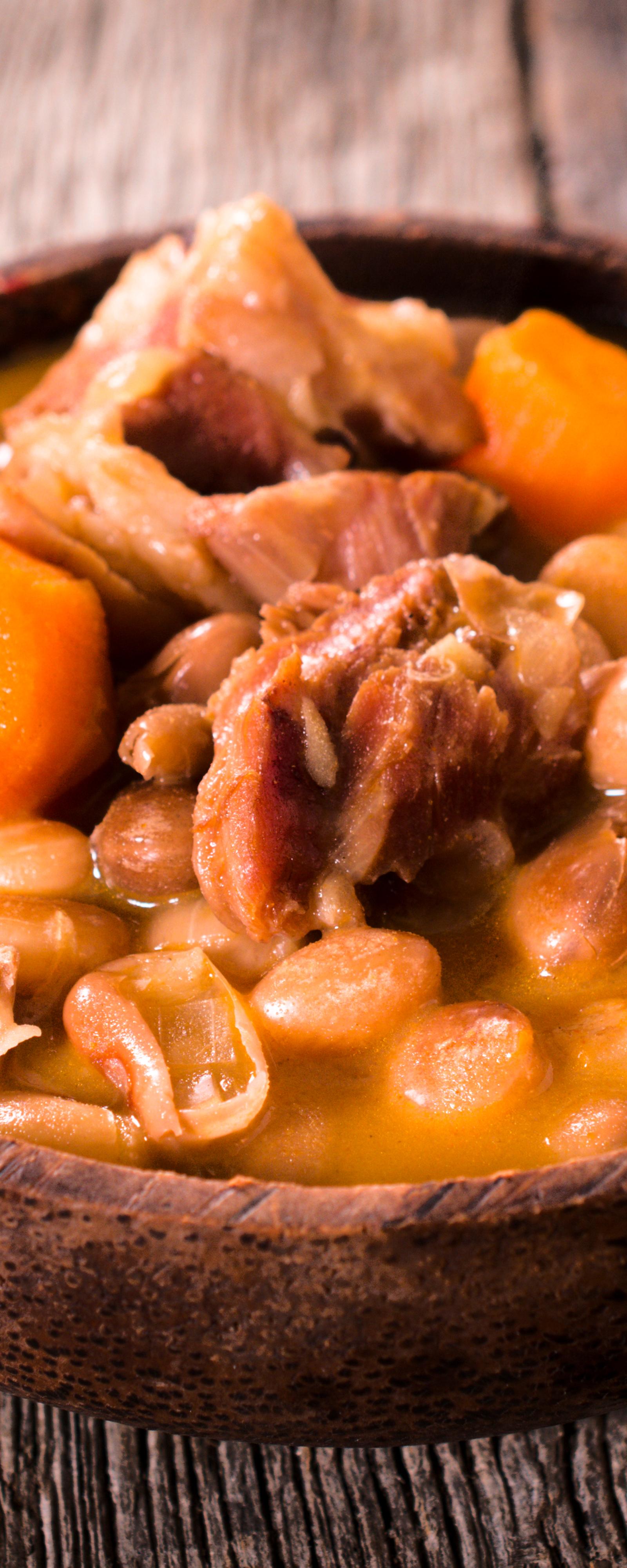
Shoppers at the South Bank Farmers Market on Riverside Walk reported stocking up on chickpeas and almonds in larger quantities last weekend than in the same period last year.
The shift comes as more people in the neighbourhood seek steady energy without relying on animal products, especially after the South Bank Wellness Collective launched its monthly nutrition workshops in March.
Where locals shop for alternatives
At The Plant Pantry on Grey Street, bulk bins hold red lentils priced at $3.80 per kilogram and roasted pumpkin seeds at $9.50. Staff there noted steady demand from office workers who stop in before heading to the Cultural Centre precinct. A few blocks away, the South Bank Community Garden on Stanley Street runs a seed-swap program every second Saturday, where participants trade homegrown broad beans and share simple recipes using tofu made from local soybeans.
These spots sit within a short walk of the South Bank Parklands, making it easy for residents to combine a morning walk with a quick purchase.
Numbers behind the trend
A May 2026 survey by the South Bank Health Board found that 41 percent of households in the immediate postcode now buy at least one non-meat protein source each week, up from 29 percent two years earlier. Average spend per household on these items reached $14.20 in the latest quarter.
People who want to test new options can start with one swap per day, such as adding a handful of walnuts to breakfast oats or stirring white beans into a lunchtime salad from the market stalls. Checking stock at The Plant Pantry before 10am on weekdays avoids the busiest period, and the garden program offers free tasting sessions on the first Saturday of each month.