wellness
Fortitude Valley Wellness Experts Share 3 Breathwork Techniques for Instant Calm
Fortitude Valley's wellness practitioners are teaching office workers and café runners a surprisingly fast fix for mid-afternoon meltdowns.
How we reported this
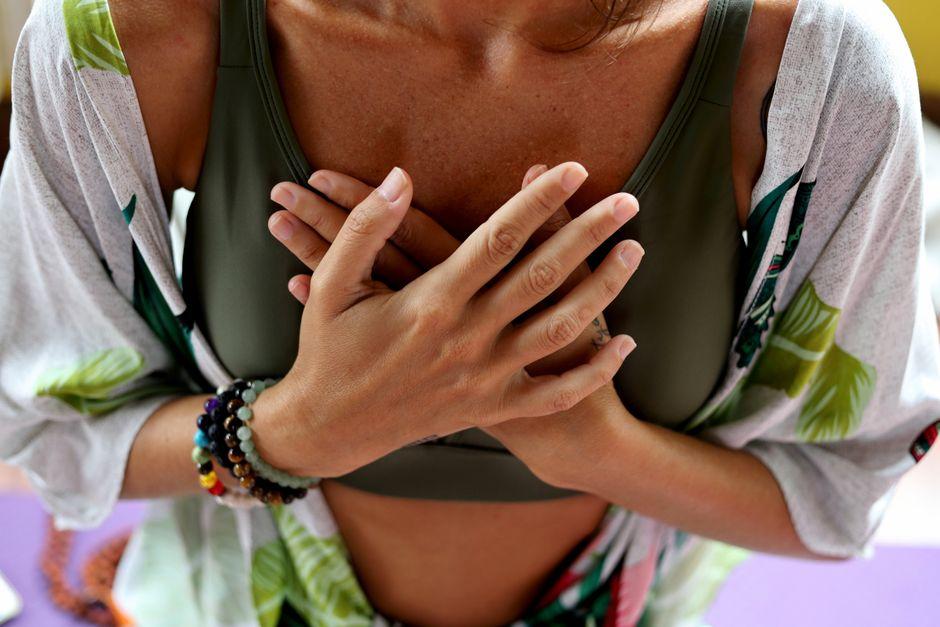
Six seconds. That's roughly how long a single controlled exhale needs to last to trigger the body's parasympathetic nervous system and blunt a stress response. It sounds almost embarrassingly simple, but breathwork instructors working out of Fortitude Valley's tightly packed wellness precinct say demand for exactly this kind of rapid-reset technique has surged through the first half of 2026.
The timing makes sense. Mortgage stress is grinding at households across the inner suburbs. Workplace uncertainty, sharpened by the rolling arrival of AI tools into everyday office life, has pushed anxiety into territory that many people don't know how to manage between meetings. Breathwork doesn't require a mat, a studio booking, or 45 minutes. It requires only a functioning pair of lungs and, practitioners argue, about two minutes of deliberate attention.
What the science actually says
A 2023 study published in Cell Reports Medicine compared three daily five-minute breathing practices against mindfulness meditation over a four-week period. Cyclic sighing, a double inhale through the nose followed by a long exhale through the mouth, produced the greatest reduction in self-reported anxiety and the most consistent improvement in resting heart rate variability among the 114 participants. The researchers found benefits accrued even when the practice was performed just once per day. Heart rate variability, often abbreviated HRV, is the measure physiologists use most often to gauge how well the autonomic nervous system is coping with demand.
Box breathing, four counts in, four counts hold, four counts out, four counts hold, has been adopted by high-performance settings ranging from surgical teams to special forces units precisely because it works without requiring any particular physical position. You can do it in a lift on Brunswick Street Mall or at a desk on Ann Street without a colleague noticing anything unusual.
The third technique gaining traction here is physiological sighing's simpler cousin: the 4-7-8 pattern, developed from pranayama traditions and popularised in clinical circles by Dr Andrew Weil in the 1990s. Inhale for four counts, hold for seven, exhale for eight. The extended exhale is the operative mechanism, it lengthens the outbreath relative to the inbreath, which slows heart rate and signals safety to the nervous system.
Where Valley locals are learning this
The Fortitude Valley Wellness Collective, which operates out of a converted warehouse space on Balmoral Street, runs a free fifteen-minute lunchtime breathwork session every Tuesday and Thursday. The sessions began in March 2026 and now regularly draw between 25 and 40 participants, many of them workers from the nearby McLachlan Street creative offices who walk over during their break. No booking is required.
Dharma & Co., the yoga and meditation studio on Warner Street that opened its expanded breathwork program in January, charges $22 per drop-in class for its dedicated pranayama sessions on Wednesday evenings at 6:30 pm. The studio also offers a six-week Foundations of Breathwork course for $180, with the next intake starting July 21. Instructors there emphasise starting with box breathing because its symmetrical structure is easy to remember under genuine pressure, precisely the moment when people most often forget every wellness practice they've ever learned.
For anyone not ready to walk into a studio, the practical entry point is the same one instructors recommend to complete beginners: set a phone timer for two minutes, find any position that keeps the spine roughly upright, and work through five or six cycles of cyclic sighing. Do it before opening email in the morning or immediately after a difficult phone call. The goal isn't transcendence. It's a measurable, physiological shift that takes less time than brewing a coffee.
Practitioners at both venues are consistent on one point: breathwork is a tool, not a treatment. Anyone managing diagnosed anxiety disorders, respiratory conditions, or cardiovascular issues should speak with a GP or specialist before beginning any structured breathwork program. The Fortitude Valley GP Super Clinic on Brunswick Street can provide referrals to allied health practitioners who work with breathwork-adjacent therapies under Medicare's mental health care plan, which covers up to ten individual sessions per calendar year.