wellness
Why Fortitude Valley is Losing Sleep, and What You Can Actually Do About It
From late-night bar noise on Brunswick Street to doom-scrolling in studio apartments, Valley residents are clocking some of the worst rest of their lives, and the science explains why.
Listen in English · 4 min
How we reported this
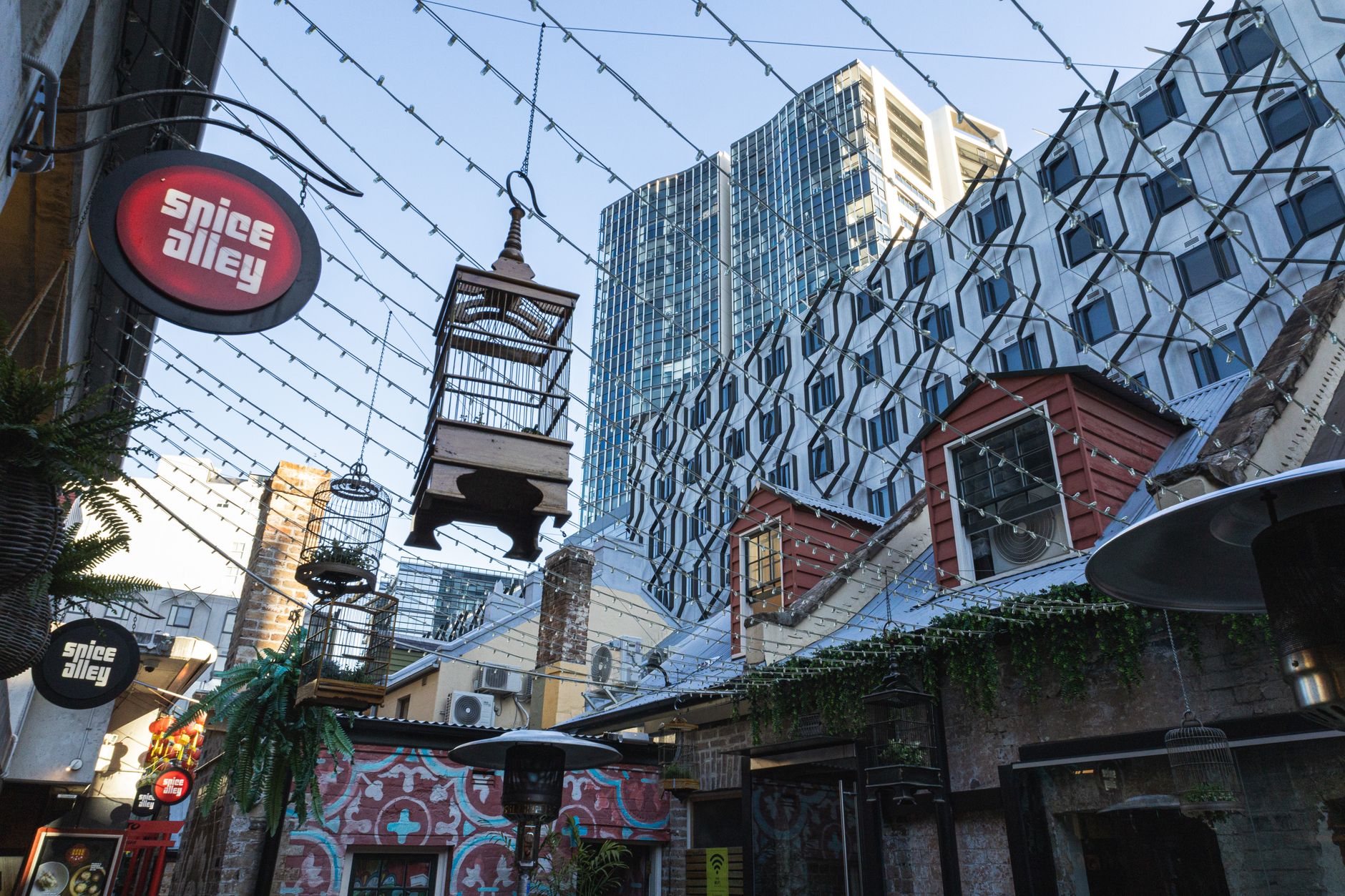
Sleep is broken. Not just for a handful of anxious professionals or new parents, but broadly, measurably, across the kinds of inner-city neighbourhoods where wellness culture is supposedly thriving. In Fortitude Valley, a suburb that sells itself on yoga studios, cold-press juice and 6 a.m. boot camps, residents are increasingly reporting they cannot get a full night's rest. The irony is not lost on anyone who has queued for a $14 adaptogen latte on Ann Street before shuffling through a Thursday on four hours of sleep.
The timing matters. Mid-winter in southeast Queensland brings shorter days and a subtle disruption to light exposure that most people ignore entirely. The body's production of melatonin, the hormone that cues the brain to wind down, is exquisitely sensitive to artificial light, and the Valley's strip of neon-lit venues along Brunswick Street and Wickham Street keeps the sky bright well past midnight. For the roughly 40 percent of adults who already struggle to fall or stay asleep on any given night, according to the Sleep Health Foundation's 2024 national survey, winter amplifies the problem rather than solving it.
What's Actually Disrupting the Valley's Sleep
Three overlapping forces are doing the damage. First, screen exposure: the average Australian adult now spends more than six hours per day on a device with a backlit screen, and evening phone use, checking property listings, reading political news, watching short-form video, suppresses melatonin for up to 90 minutes after the screen goes dark. Second, financial stress. With mortgage costs and rents across inner-city postcodes remaining punishing into mid-2026, the low-grade anxiety that comes with housing uncertainty is a clinically recognised driver of sleep-onset insomnia. Third, stimulant creep. Fortitude Valley's café density is among the highest in the postcode, and many residents are drinking coffee well into the afternoon without realising that caffeine has a half-life of approximately five to six hours, meaning a 3 p.m. flat white still has half its stimulant load circulating at 9 p.m.
Fortitude Valley Wellness Collective, which operates out of a converted Terrace on Ballow Street, has been running its eight-week Sleep Reset program since February 2025. The program, priced at $320 for the full course, draws on cognitive behavioural therapy for insomnia, known as CBT-I, which the American Academy of Sleep Medicine has ranked as the first-line treatment for chronic sleeplessness, ahead of medication. Instructors there say enrolments for the July intake filled within 72 hours of opening, a pattern they have not seen before. Separately, The Float Space on McLachlan Street offers 60-minute sensory deprivation sessions at $89 each, and reports that bookings for Thursday and Sunday evenings, the nights people most dread the week ahead, have been consistently full since April.
The Practical Adjustments That Actually Move the Needle
Sleep specialists consistently point to the same cluster of behavioural changes that make a measurable difference without requiring a prescription. A consistent wake time, even on weekends, is the single most evidence-backed intervention for resetting circadian rhythm. Getting outside before 9 a.m. for natural light exposure helps anchor the body clock; the RNA Sunken Garden on Brunswick Street and the pathway along the Valley Pool on Wickham Street are both accessible, free options that take less than 20 minutes. Keeping the bedroom below 19 degrees Celsius aids sleep onset, since core body temperature must drop slightly for sleep pressure to build, a detail that matters in a suburb full of older Queenslander apartments with inadequate insulation.
Cutting caffeine after 1 p.m. is unglamorous advice, but it works. So does reducing alcohol, which fragments sleep architecture in the second half of the night even when it feels sedating initially. For those whose sleep disruption is linked to stress or anxious thinking, the CBT-I approach, working with a practitioner to restructure the thoughts and habits that keep people awake, has success rates of 70 to 80 percent in clinical trials, which comfortably outperforms most sleeping tablets over a 12-week period.
The Valley's wellness infrastructure is genuinely well-placed to help. But the first step is recognising that a green smoothie and a reformer class will not fix a sleep debt that has been accumulating for months. Consult a local GP or sleep health professional before making significant changes to your routine, particularly if insomnia has persisted for more than three weeks.